Although the cross-sections of "H"-shaped steel and "I"-shaped steel (i.e., ordinary I-beams) are similar to the shape of "I", there are significant differences in their structural design, mechanical properties, and applicable scenarios.
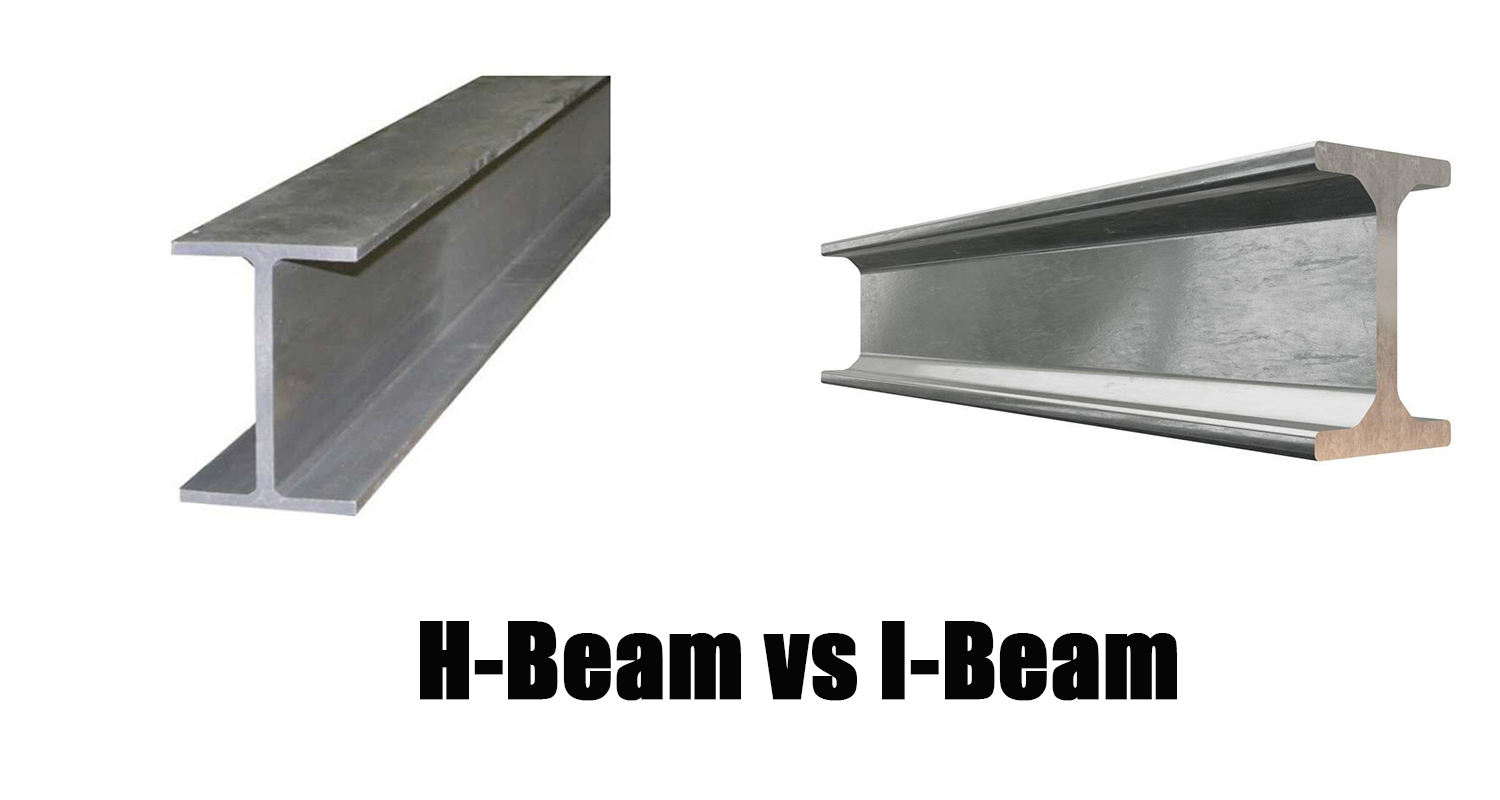
Although the cross-sections of "H"-shaped steel and "I"-shaped steel (i.e., ordinary I-beams) are similar to the shape of "I", there are significant differences in their structural design, mechanical properties, and applicable scenarios.
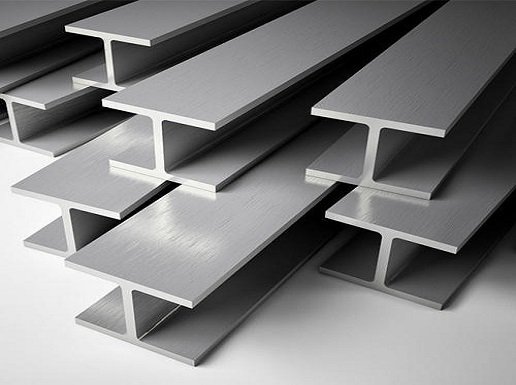
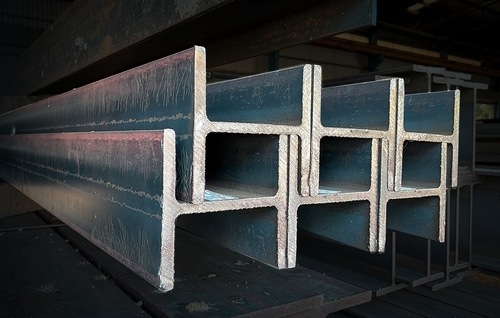
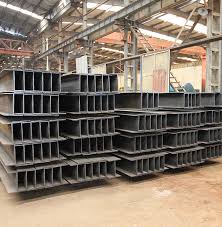
"H"-shaped steel: It is a wide-flange I-beam with a larger ratio of flange (upper and lower horizontal parts) width to web (middle vertical part) height, and the two ends of the flange are right angles (or slightly rounded corners). The connecting part between the web and the flange (waist thickness) is thicker, and the overall cross-section is wider and flatter.
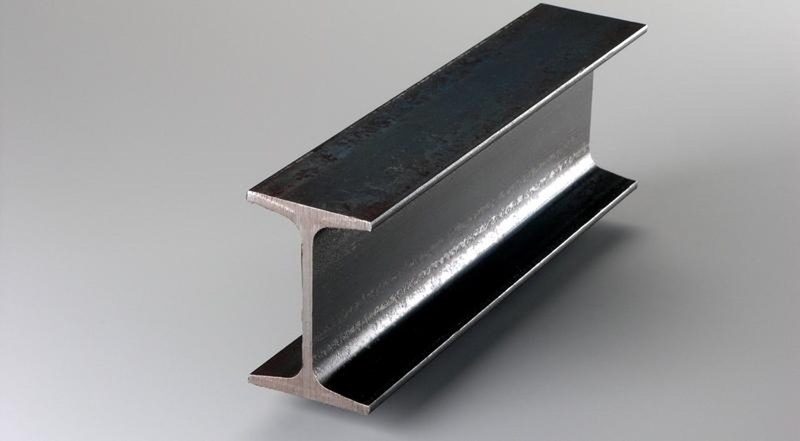
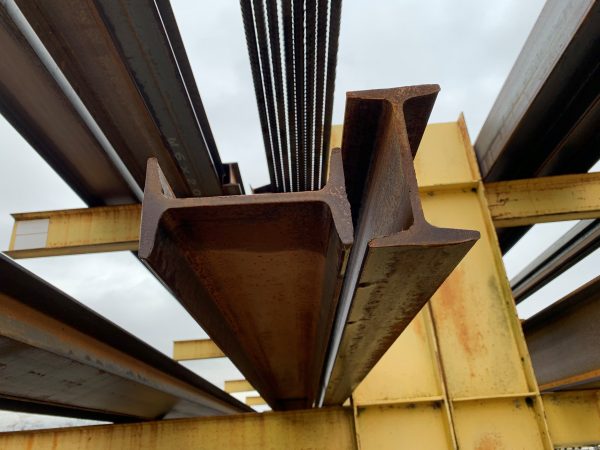
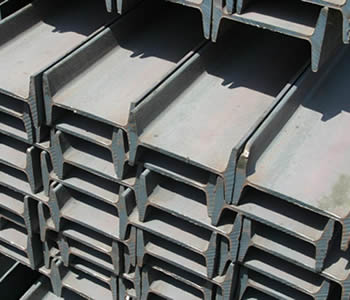
Ordinary I-beam: The flange width is narrow, and the flange ends are sloped (not right angles), the web is thicker in the middle and gradually becomes thinner towards the ends, the transition part (rounded corners) between the flange and the web is smaller, and the overall cross-section is more "slender".
Differences in mechanical properties between the two
| Performance Dimension |
H Beam |
I Beam |
| Carrying capacity |
The flange is wide, the section moment of inertia is large, the lateral bending resistance is stronger, and it can withstand greater axial force and lateral load. |
The flange is narrow, the section moment of inertia is small, and the bending resistance is weak, especially the performance is poor under lateral load. |
| Uniformity of force |
The web and flange are connected vertically, so the stress distribution is more uniform and local stress concentration is less likely to occur. |
The flange slope design causes stress concentration at the connection between the flange and the web, which is prone to deformation due to excessive local force. |
| stability |
The overall stiffness is higher, the stability is better in long-span structures, and it is not easy to become unstable. |
In long spans, lateral bending or instability may occur due to insufficient stiffness. |
Mostly produced using welding or rolling processes, H-beams can be customized to meet specific requirements (flange width, web thickness, etc.). They offer higher cross-sectional dimensional accuracy and can produce large-sized products (such as H-beams for large bridges).
Ordinary I-beams:Mainly produced using the hot rolling process, their specifications are limited by the rolling die, making them inflexible and limited in maximum size.
Differences in their application scenariosH-beams:Suitable for large-span, heavy-load structures, such as:
- Frame structures of large factories and high-rise buildings;
- Bridges, crane beams, and machinery foundations;
- Load-bearing components that must withstand axial compression or lateral bending moments.
Ordinary I-beams:Suitable for small to medium-span, light-load applications, such as:
- Purlins and support structures of small factories;
- Simple brackets and platform beams;
- Cost-sensitive components with low load requirements.
In summaryH-beams are an upgraded version of conventional I-beams. Their optimized cross-sectional design enhances mechanical properties, making them suitable for more demanding load-bearing applications. However, this also comes at a relatively high cost. Conventional I-beams, on the other hand, offer greater cost advantages for lighter loads and smaller spans. The key differences between the two lie in flange width, load uniformity, and their application range.


